Learn how you can impact your health by balancing your gut health; how your microbiome together with your diet can improve normal gut function. A balanced microbiome and nutritional intake can avoid disorders like IBS, obesity and diabetes.
Course Details
| Language | English |
| Duration | 6 weeks |
| Effort | 3-5 hrs/wk |
Description
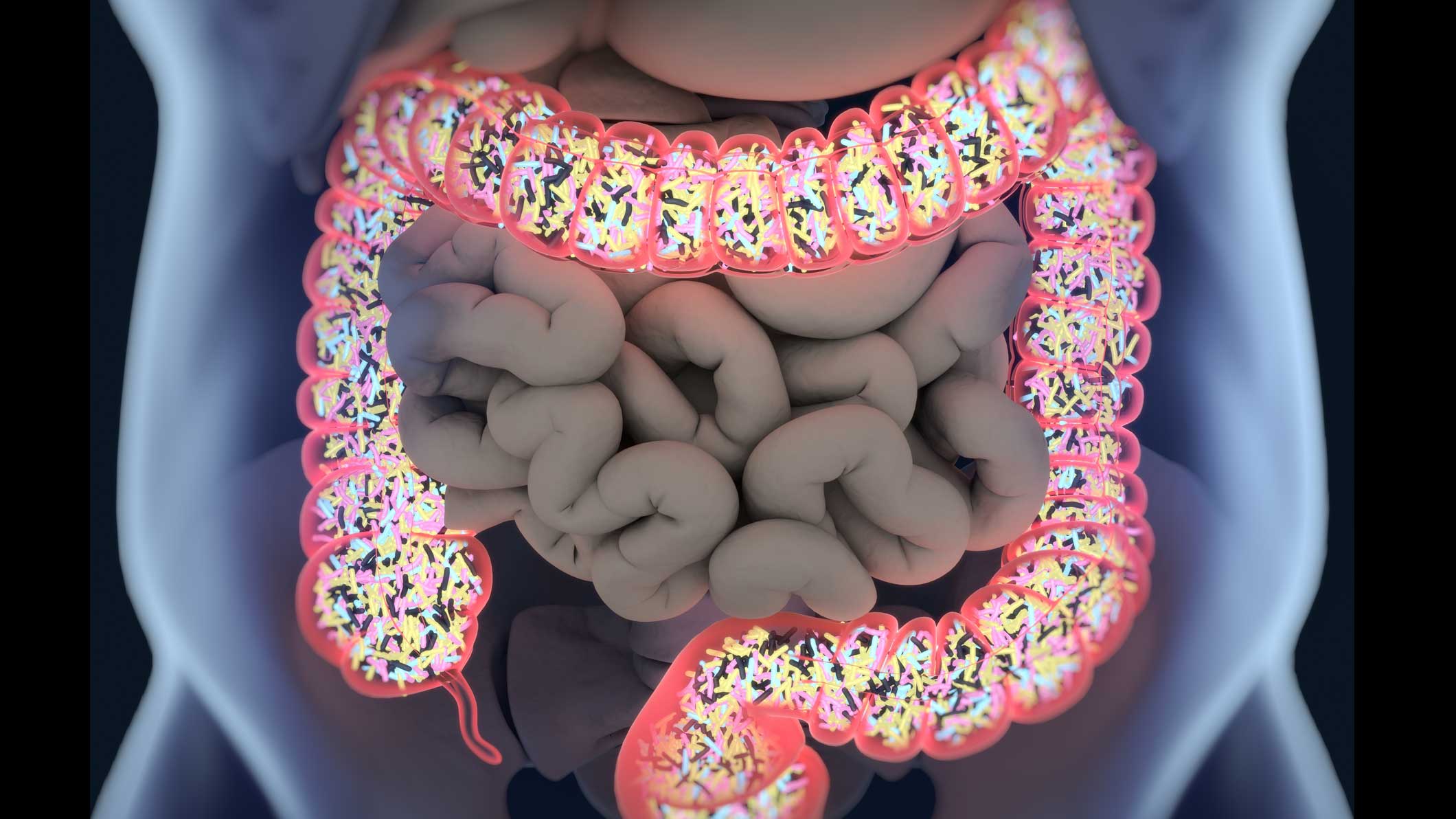
Your body is not only made up of human cells, but also by trillions of bacteria, fungi and viruses. Together they make up the human microbiome and have a tremendous impact on your health. For example, what you eat and drink impacts the gut microbes of the human gut microbiome.
In this course, you will learn how the human microbiome plays an important role in maintaining normal gut function, digesting certain nutrients, early life development, behavior and, disorders like irritable bowel syndrome (IBS), obesity and diabetes. You will learn how to distinguish fact from fiction about the role of the gut microbiota in health and disease.
Today, important research topics focused on nutrition, health and ageing lay within the study of microbiota composition, function and applicability. This course will help health care professionals gain a basic academic understanding of the human microbiome and the impact on human health. You'll discover the latest academic insights about food fibers, added bacteria, probiotics and microbiology. This knowledge can be applied by health care professionals in their daily practice because gut health is a hot topic, not only among researchers, but especially for health care professionals and consumers alike. Many patients with allergic issues struggle with gut health. Emerging research is connecting an imbalance of the microbiota in the gut microbiome to multiple disease states, including allergies. When finishing this course, you will know about the latest acdemic insights and how to apply them in your daily work.
What You Will Learn
In this course you’ll learn that the human microbiome plays an important role in maintaining normal gut function, digesting certain nutrients, early life development, behavior and, disorders like irritable bowel syndrome (IBS), obesity and diabetes. Discover the complexity in maintaining a balanced healthy life and learn:
- How to study the microbiome
- How microbiota impact your health
- The relation between diet, genes and microbiota
- Microbial therapies and diagnostics
- How academic knowledge about the microbiome is important for policy makers, medical doctors, non-profit organizations and industry
Grow these skills
Module 1: The Human Microbiome
This module includes topics such as how to study the microbiome, microbiota for health, and the human microbiome.
Module 2: Early Life Microbiota Development
This module includes topics such as development of the microbiome, microbiome and health, life-changing events, and personal microbiota development.
Module 3: Microbiota and Ageing
This module includes topics such as healthy ageing, including centenarians, diet and longevity, and ageing-related diseases such as immunosenescence.
Module 4: Microbiota, Diet and Disease
Topics in this module include nutrition, diet and genes, and obesity.
Module 5: Microbial Therapies and Diagnostics
This module includes topics such as microbial therapies, personalized therapies, and diagnostics.
Module 6: Applicability and Societal Impact
This module includes topics such as the applicability of the microbiome in medical therapy, pharmacy, nutritional companies, probiotic production, and the food chain. We also explore examples of host–microbiota interactions.
Prerequisites
Basic knowledge of biology.